






Thank you for your quality dental work and information, it was very helpful and informative.
Rob Pet Ski Can not recommend enough, Friendly, gentle and affordable
Jessi S On time, did what was needed very well including photos and clear explanation of required follow-up. And good professional manner from whole team.
Peter Austin Great service and very friendly. Especially with my kids.
Roslyn Potter Lovely staff and the dentist explained everything . Very happy with the overall service
Renee Jeffries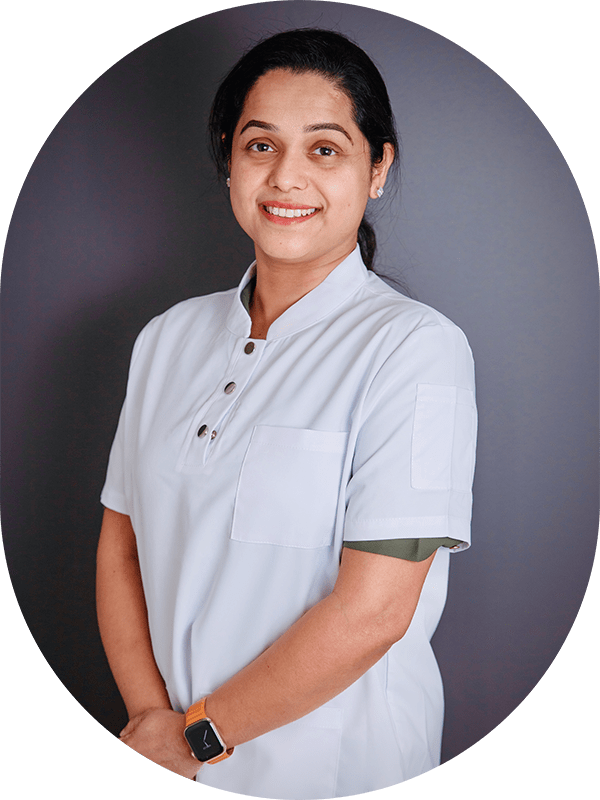
Dentist, DEN0001670945
Dr. Beena Kurian
Dr. Beena Kurian brings a thoughtful, caring approach to general dentistry. She takes time to build trust with each patient, helping them feel informed and at ease. With a background in managing both preventive and restorative care, Dr. Kurian values patient education and takes a proactive approach to oral health. Her gentle chairside manner and commitment to quality care make her a comforting and trusted choice for patients of all ages.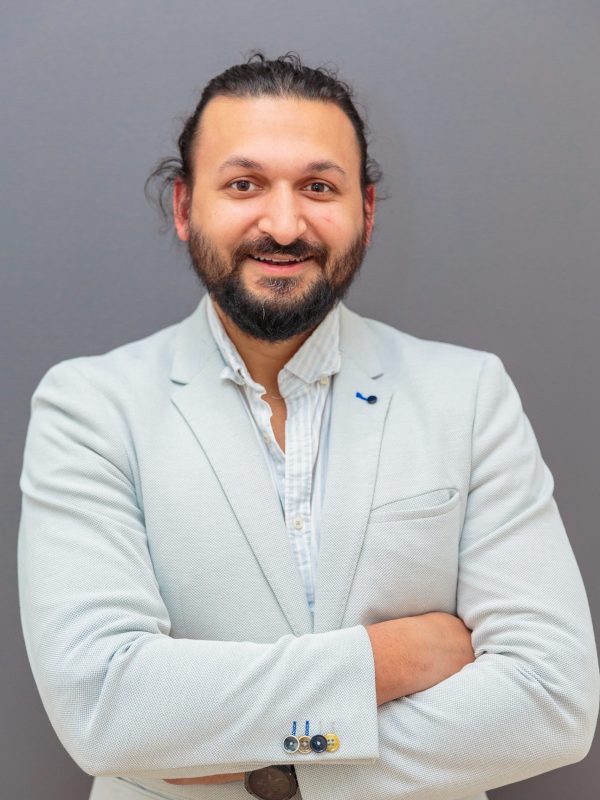
Dentist, DEN0001957701
Dr. Omar Ahsan
Dr. Omar Ahsan provides compassionate and comprehensive care with a focus on long-term oral health. He takes the time to explain diagnoses and walk patients through their options clearly. Known for his friendly and respectful approach, Dr. Ahsan aims to make each visit as smooth as possible. He is experienced in a wide range of treatments, including preventive, restorative, and cosmetic procedures, supporting patients at every stage of their oral health journey.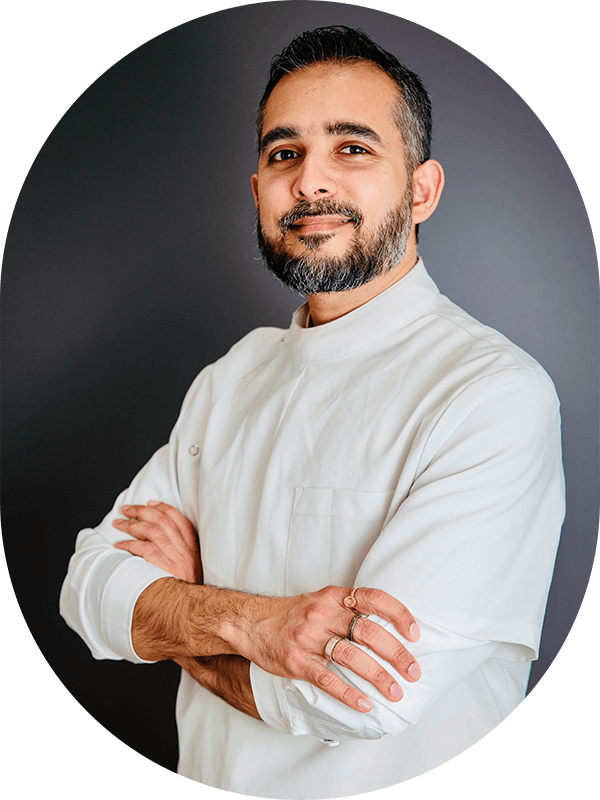
Dentist, DEN0002068331
Dr. Mohit Tolani
Dr. Mohit Tolani is committed to creating a positive dental experience for every patient, combining a calm manner with clinical precision. He holds a strong interest in dental implants, smile restoration, and comprehensive treatment planning. Known for his approachable nature and attention to detail, Dr. Tolani works closely with each patient to understand their goals and deliver tailored results. His focus on long-term care helps achieve lasting oral health and confidence.
Dentist, DEN0002132527
Dr. Natasha Khushalani
Dr. Natasha Khushalani is known for her patient-focused approach and commitment to delivering quality dental care. She enjoys all aspects of general dentistry, with a particular interest in helping patients feel confident about their smiles. Dr. Khushalani believes in making each visit stress-free, using her gentle communication style to put even the most anxious patients at ease. She takes pride in supporting both oral health and patient comfort.
Dentist, DEN001657332
Dr. Pat Pandey
Dr. Pat Pandey enjoys forming long-term relationships with his patients through open communication and personalised care. He focuses on preventive and restorative dentistry, aiming to create healthy and functional smiles with a conservative approach. With a professional yet friendly demeanour, Dr. Pandey checks that every patient understands their options and feels comfortable at each appointment. His goal is to make dental visits more relaxed and rewarding for the whole family.
Dentist, DEN0002588051
Dr. Irena K. Stojkovski
Dr. Irena Kostoska Stojkovski graduated with a Bachelor of Dental Surgery in 2017 and has worked across both Australian and international dental settings. She provides comprehensive general dental care in a calm, welcoming environment. Known for her friendly and approachable manner, she connects well with patients of all ages. Dr. Stojkovski speaks English, Macedonian, and Serbian, and keeps her skills current through ongoing professional development.
Dentist, DEN0002094219
Dr. Abha Verma
Dr. Abha Verma combines clinical precision with a kind, attentive manner to help patients feel comfortable and understood. She offers general dentistry services and enjoys working with patients to achieve healthy, natural-looking smiles. Dr. Verma values patient education and is committed to clear communication at every stage of care. Her thoughtful approach makes her a trusted choice for families seeking consistent dental support.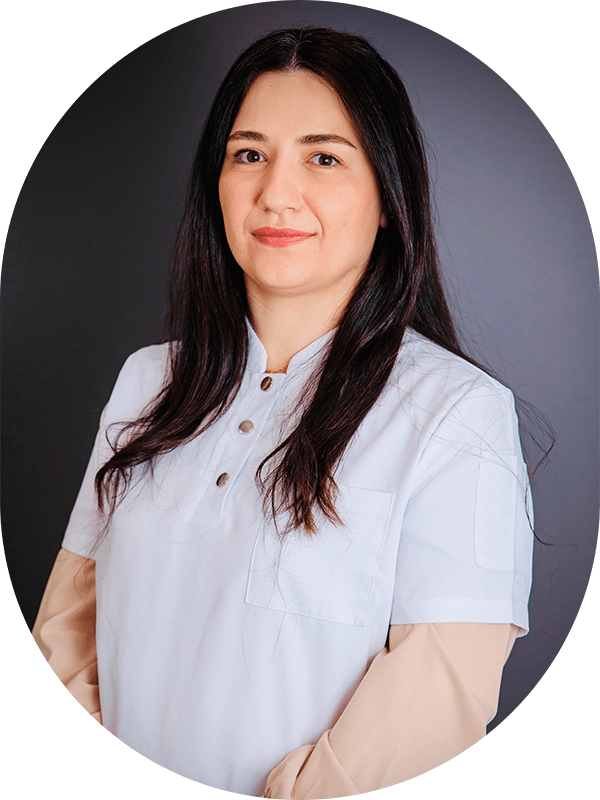
Dentist, DEN0002895643
Dr. Maryam Kalo
Dr. Maryam Kalo brings a warm, compassionate approach to general dentistry, making patients feel at ease from the moment they walk in. With a broad background in oral and maxillofacial care, she focuses on delivering tailored care with a gentle touch. Fluent in English and Arabic, she enjoys working with patients of all ages and backgrounds. Dr Kalo is committed to keeping her knowledge current through continuing education.
Dentist, DEN0001756928
Dr. Chin Valsan
Dr. Chin Valsan has a passion for providing high-quality dental care with a gentle, patient-centred approach. He focuses on preventive and restorative dentistry and works closely with patients to develop treatment plans that suit their individual goals. Known for his calm and caring nature, Dr. Valsan helps reduce anxiety and make dental visits more comfortable. He believes in taking the time to listen, explain, and build trust at every appointment.
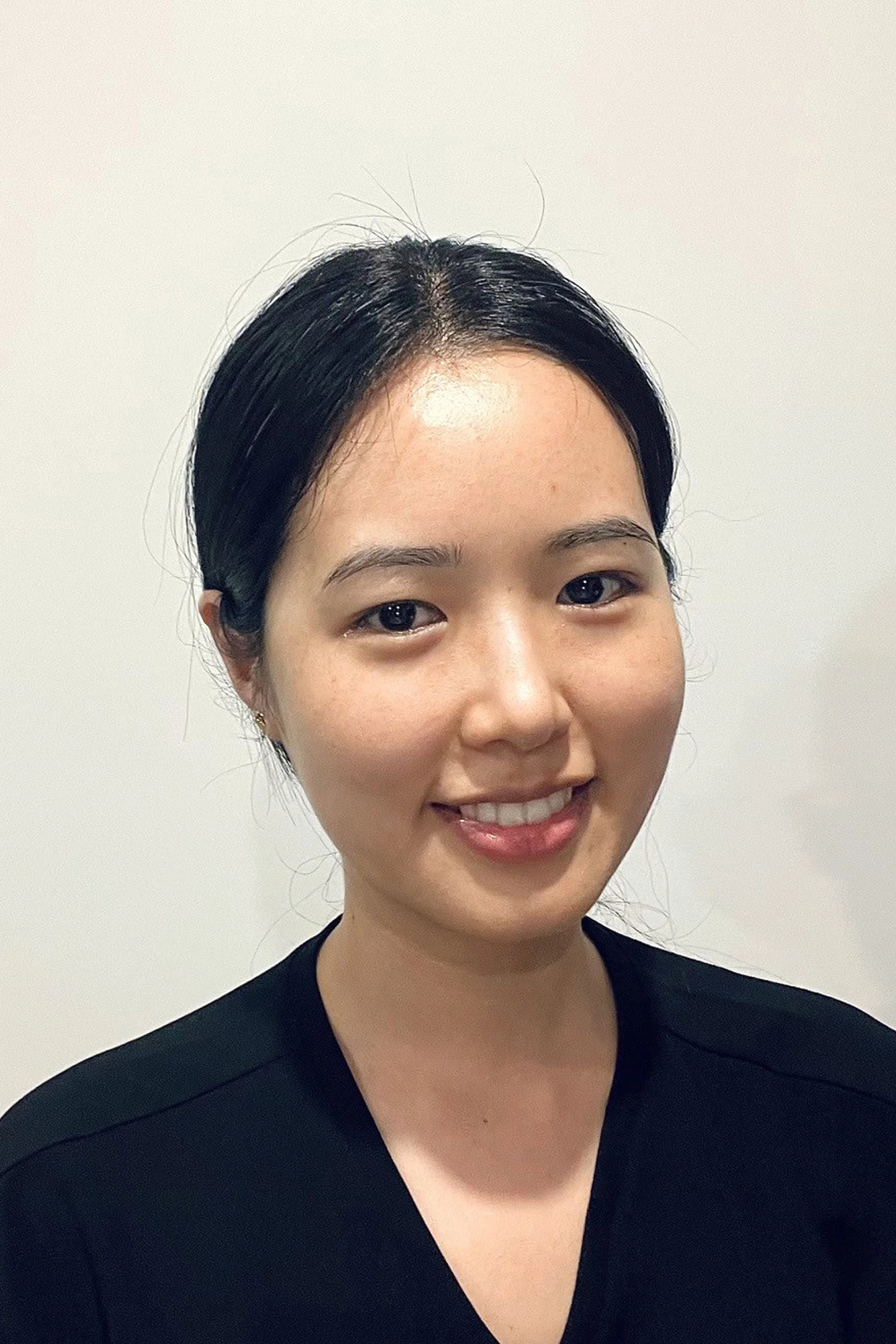
Dentist
Dr. Amy Min
Dr. Amy Min brings a gentle, detail-oriented approach to dentistry, with a strong focus on communication and trust. She enjoys working with patients of all ages and is particularly skilled in helping children feel safe and comfortable during their visits. Dr. Min believes in delivering high-quality care through thorough planning and personalised attention. Her warm nature and steady guidance help patients feel confident throughout their dental experience.
Book An Appointment with Dr. Min


Dentist
Dr. Beena Kuria
Dr. Beena Kurian brings a thoughtful, caring approach to general dentistry. She takes time to build trust with each patient, helping them feel informed and at ease. With a background in managing both preventative and restorative care, Dr. Kurian values patient education and takes a proactive approach to oral health. Her gentle chairside manner and commitment to quality care make her a comforting and trusted choice for patients of all ages.
Book An Appointment with Dr. Kuria
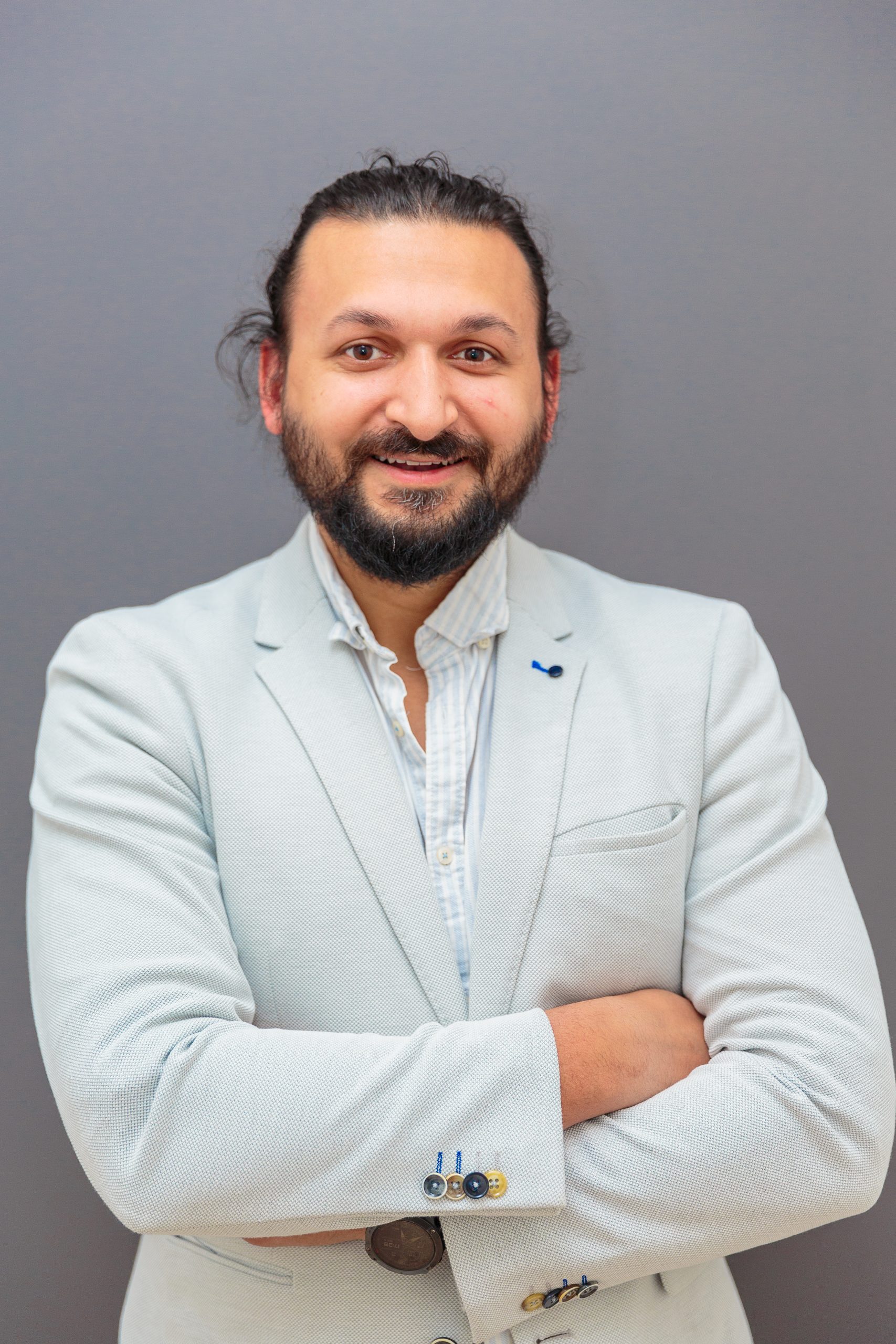
Dentist
Dr. Omar Ahsan
Dr. Omar Ahsan provides compassionate and comprehensive care with a focus on long-term oral health. He takes the time to explain diagnoses and walk patients through their options clearly. Known for his friendly and respectful approach, Dr. Ahsan aims to make each visit as smooth as possible. He is experienced in a wide range of treatments, including preventative, restorative, and cosmetic procedures, supporting patients at every stage of their oral health journey.
Book An Appointment with Dr. Ahsan
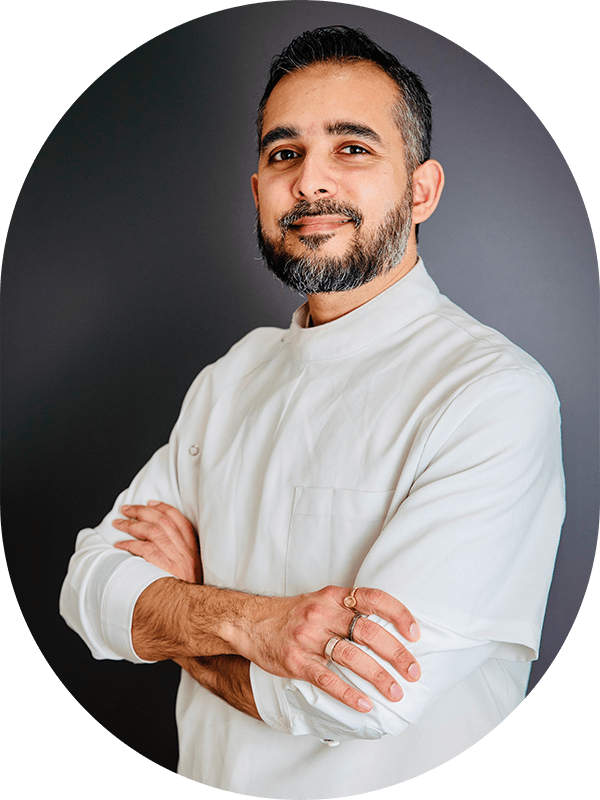
Dentist
Dr. Mohit Tolani
Dr. Mohit Tolani is committed to creating a positive dental experience for every patient, combining a calm manner with clinical precision. He holds a strong interest in dental implants, smile restoration, and comprehensive treatment planning. Known for his approachable nature and attention to detail, Dr. Tolani works closely with each patient to understand their goals and deliver tailored results. His focus on long-term care helps achieve lasting oral health and confidence.
Book An Appointment with Dr. Tolani
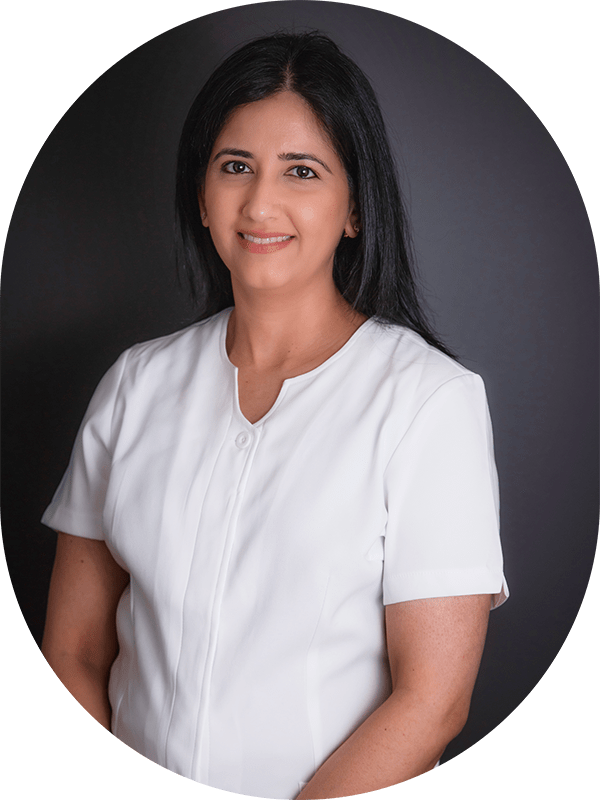
Dentist
Dr. Natasha Khushalani
Dr. Natasha Khushalani is known for her patient-focused approach and commitment to delivering quality dental care. She enjoys all aspects of general dentistry, with a particular interest in helping patients feel confident about their smiles. Dr. Khushalani believes in making each visit stress-free, using her gentle communication style to put even the most anxious patients at ease. She takes pride in supporting both oral health and patient comfort.
Book An Appointment with Dr. Khushalani
Dentist
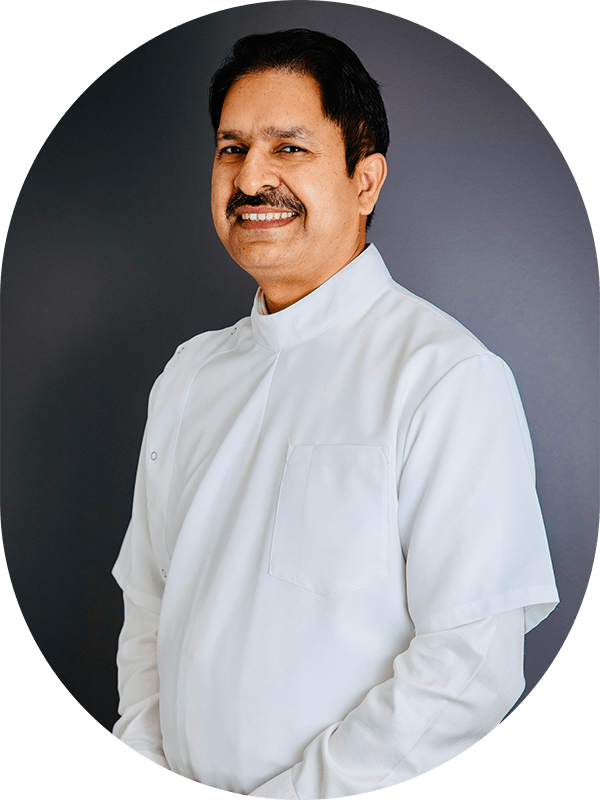
Dr. Pat Pandey
Dr. Pat Pandey enjoys forming long-term relationships with his patients through open communication and personalised care. He focuses on preventative and restorative dentistry, aiming to create healthy and functional smiles with a conservative approach. With a professional yet friendly demeanour, Dr. Pandey checks that every patient understands their options and feels comfortable at each appointment. His goal is to make dental visits more relaxed and rewarding for the whole family.
Book An Appointment with Dr. Pandey
Dentist
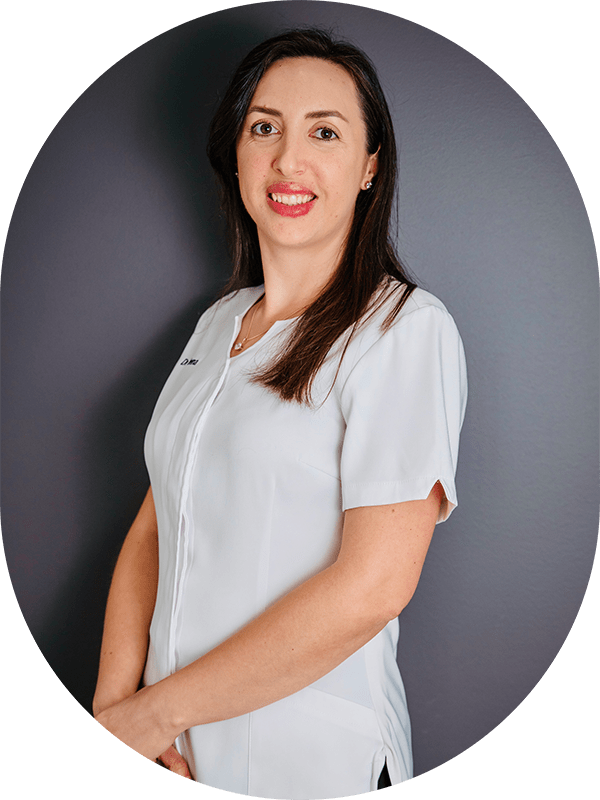
Dr. Irena K. Stojkovski
Dr. Irena Kostoska Stojkovski graduated with a Bachelor of Dental Surgery in 2017 and has worked across both Australian and international dental settings. She provides comprehensive general dental care in a calm, welcoming environment. Known for her friendly and approachable manner, she connects well with patients of all ages. Dr. Stojkovski speaks English, Macedonian, and Serbian, and keeps her skills current through ongoing professional development.
Book An Appointment with Dr. Stojkovski
Dentist
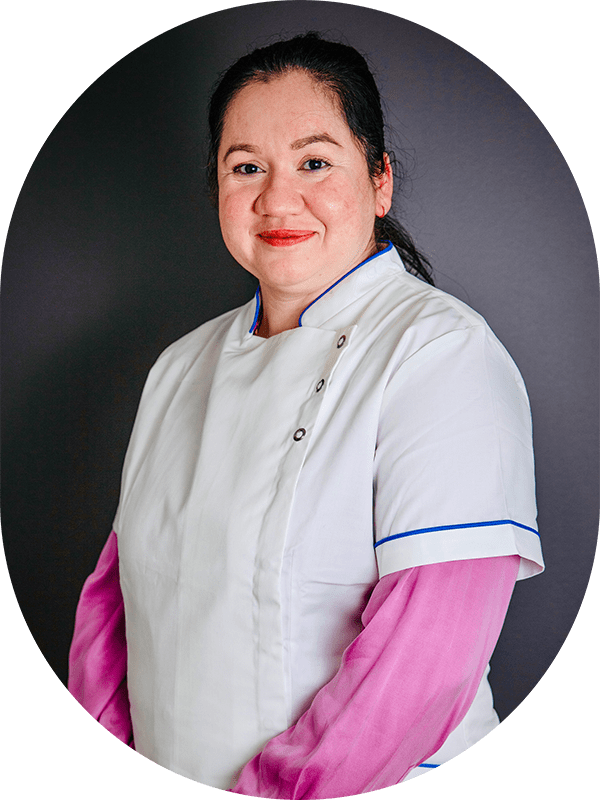
Dr. Abha Verma
Dr. Abha Verma combines clinical precision with a kind, attentive manner to help patients feel comfortable and understood. She offers general dentistry services and enjoys working with patients to achieve healthy, natural-looking smiles. Dr. Verma values patient education and is committed to clear communication at every stage of care. Her thoughtful approach makes her a trusted choice for families seeking consistent dental support.
Book An Appointment with Dr. Verma
Dentist
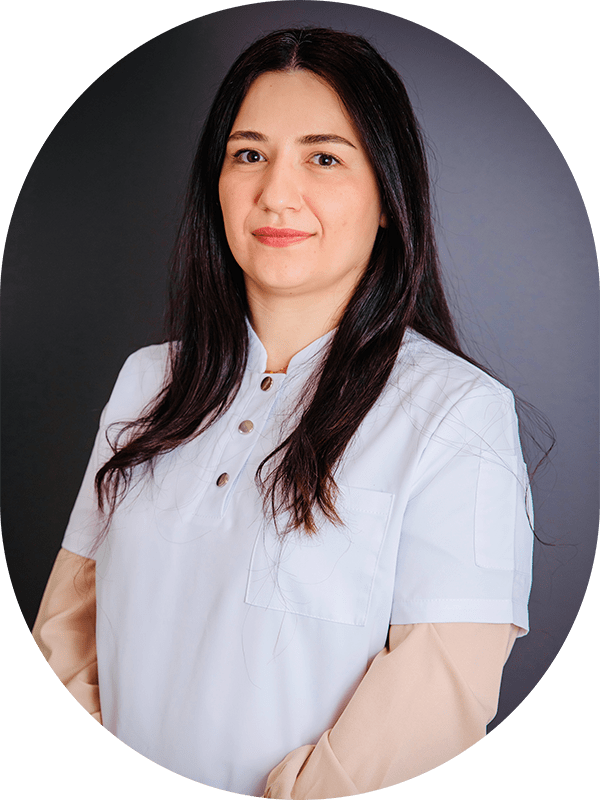
Dr. Maryam Kalo
Dr. Maryam Kalo brings a warm, compassionate approach to general dentistry, making patients feel at ease from the moment they walk in. With a broad background in oral and maxillofacial care, she focuses on delivering tailored care with a gentle touch. Fluent in English and Arabic, she enjoys working with patients of all ages and backgrounds. Dr Kalo is committed to keeping her knowledge current through continuing education.
Book An Appointment with Dr. Kalo
Dentist
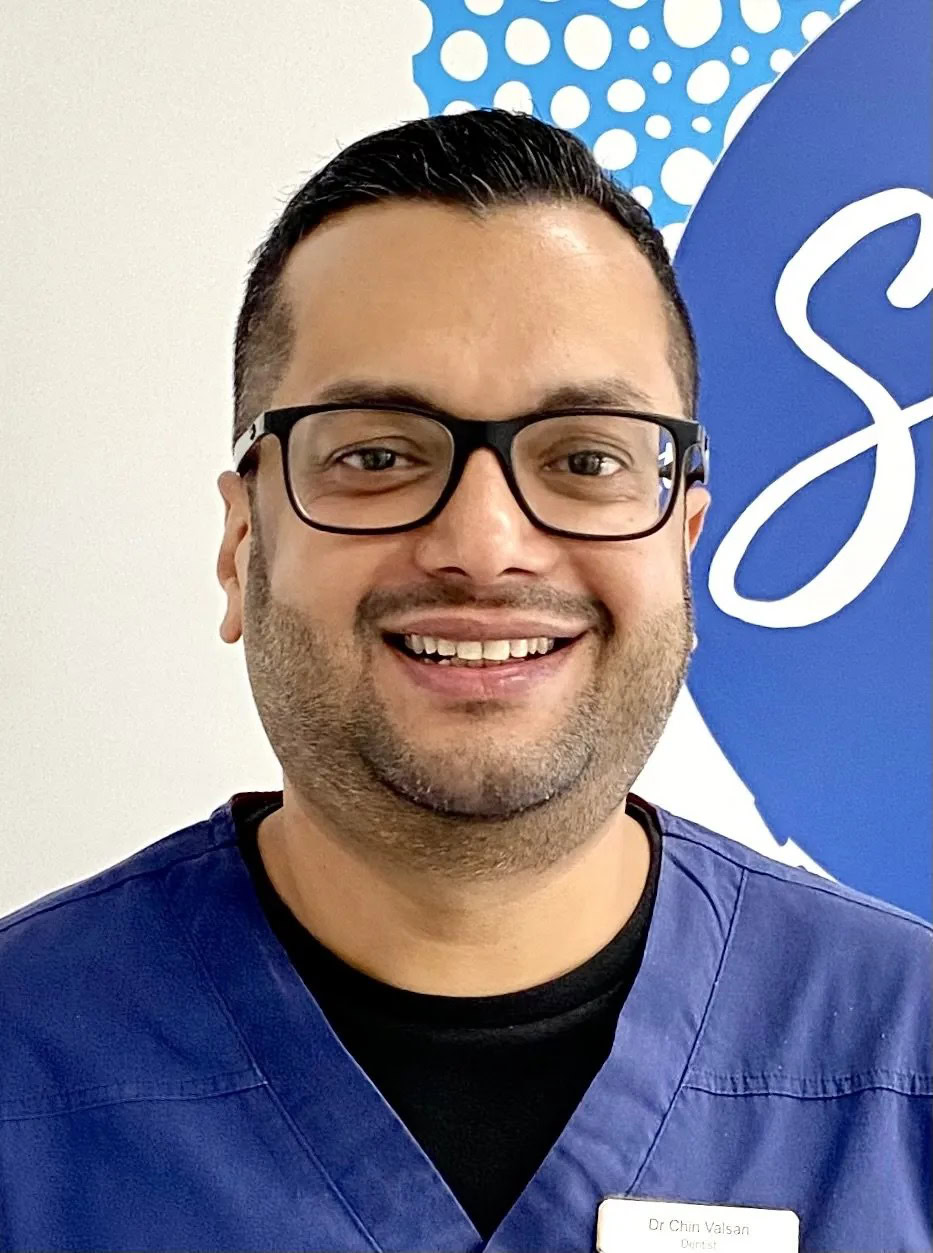
Dr. Chin Valsan
Dr. Chin Valsan has a passion for providing high-quality dental care with a gentle, patient-centred approach. He focuses on preventative and restorative dentistry and works closely with patients to develop treatment plans that suit their individual goals. Known for his calm and caring nature, Dr. Valsan helps reduce anxiety and make dental visits more comfortable. He believes in taking the time to listen, explain, and build trust at every appointment.
Book An Appointment with Dr. Valsan
Dentist
Dr. Amy Min
Dr. Amy Min brings a gentle, detail-oriented approach to dentistry, with a strong focus on communication and trust. She enjoys working with patients of all ages and is particularly skilled in helping children feel safe and comfortable during their visits. Dr. Min believes in delivering high-quality care through thorough planning and personalised attention. Her warm nature and steady guidance help patients feel confident throughout their dental experience.
Book An Appointment with Dr. Min
Dentist
Dr. Amy Min
Dr. Amy Min brings a gentle, detail-oriented approach to dentistry, with a strong focus on communication and trust. She enjoys working with patients of all ages and is particularly skilled in helping children feel safe and comfortable during their visits. Dr. Min believes in delivering high-quality care through thorough planning and personalised attention. Her warm nature and steady guidance help patients feel confident throughout their dental experience.
Book An Appointment with Dr. Min



Excellent dentist and ran through everything with me in detail
Simone Peckman