Secure, Functional Teeth With Fewer Appointments

All-on-4 Dental Implants in Wollongong for Smile Restoration

Thinking about All-on-4 dental implants in Wollongong? This streamlined approach helps replace missing teeth using fewer implants, as they are designed for comfort, function, and aesthetic appeal.

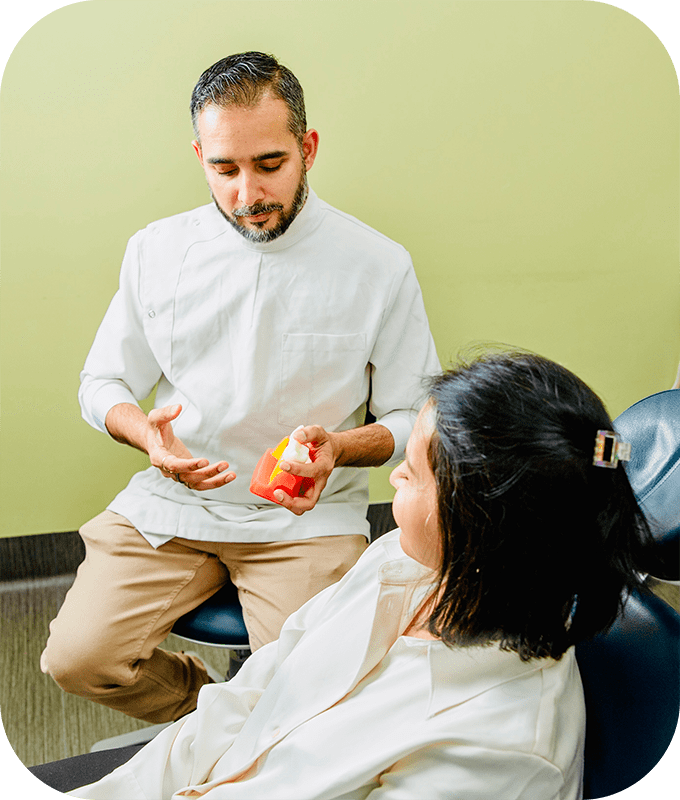
all on 4 hero banner min
all on 4 top min (1)

All-on-4 Dental Implants for Full-Arch Tooth Replacement

All-on-4 full-arch dental implants are used to replace a complete upper or lower set of teeth with just four implants. They are often suitable for those with advanced tooth loss who prefer a more straightforward treatment approach.

This technique may reduce the need for bone grafting by optimising implant placement. Compared to removable dentures, many patients report improved comfort when eating, speaking, and smiling, which supports daily function and enhances overall quality of life.

Common Characteristics of an All-on-4 Candidate

All-on-4 isn’t right for everyone. However, there are common traits that may indicate someone could benefit from this treatment:

all on 4 dental implants right candidate
all on 4 dental implants benefits

Benefits of Full-Arch Support With All-on-4

Among full-arch dental implants, All-on-4 stands out for its efficient design and suitability for many patients with extensive tooth loss.

Book Your Dental Visit With Confidence

Feel supported at every step. Our team offers professional guidance so you can make informed decisions with confidence.

 
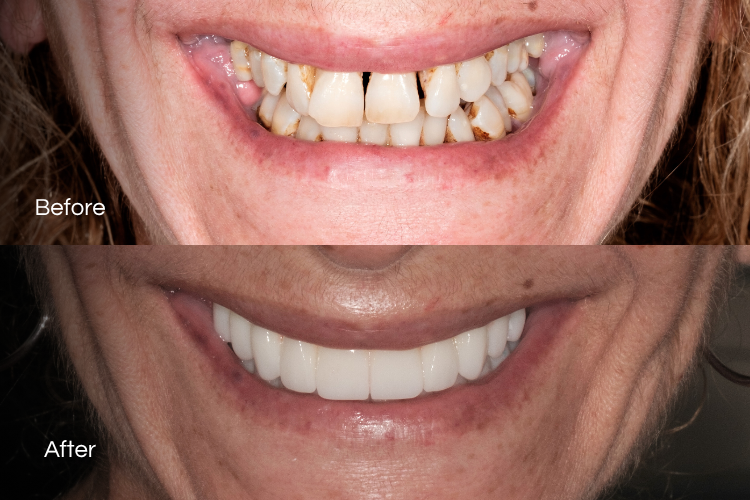
allon4b
allon4b

*These images display actual patients of our clinic. Every case is different, and treatment outcomes can vary according to individual conditions and needs.

Why Choose Illawarra Dentists for Your Dental Care

Reliable and professional dental care across three trusted locations, offering quality service, modern techniques, and a commitment to patient comfort every visit.

care that feels like family

Care That Feels Like Family

We believe great care starts with listening. Our team of dentists takes time to understand your concerns, explain options clearly, and prioritise your comfort at every step. With a gentle approach, we build long-term relationships with patients of all ages, from toddlers to grandparents. It’s the kind of care that grows with you—always personal, always thoughtful, and always delivered with genuine warmth.

experience team you can rely on

Experienced Team You Can Rely On

Across all locations, our team brings decades of combined experience in preventive, restorative, and cosmetic dentistry. Whether you need a routine check-up or complex dental work, we’re committed to consistent, high-quality care delivered by people who genuinely enjoy what they do. You’ll benefit from trusted hands, collaborative advice, and a team that values your long-term oral health goals.

modern clinics with a local touch

Modern Clinics With a Local Touch

Our clinics are equipped with digital scanners and intraoral cameras, and our team uses the latest techniques to provide accurate and efficient dentistry. But what really sets us apart is our warm, community-based feel, where you’ll always be greeted by a friendly face that remembers your name. We combine advanced dental care with genuine connection, so your experience feels easy, familiar, and stress-free every time.

What Our Happy Patients Say
About Us

Our patients love the care they receive—professional, friendly, and life-changing smiles
that boost confidence and overall dental health.

Excellent dentist and ran through everything with me in detail

Simone Peckman

Thank you for your quality dental work and information, it was very helpful and informative.

Rob Pet Ski

Can not recommend enough, Friendly, gentle and affordable

Jessi S

On time, did what was needed very well including photos and clear explanation of required follow-up. And good professional manner from whole team.

Peter Austin

Great service and very friendly. Especially with my kids.

Roslyn Potter

Lovely staff and the dentist explained everything . Very happy with the overall service

Renee Jeffries

Meet the Team Who Cares for Your Smile

Friendly, experienced, and committed to your care, our team works together to deliver quality, modern dentistry in a supportive environment.

Frequently Asked Questions

Looking for practical information about All-on-4? This section addresses common questions about the procedure, recovery, and maintenance of implants as part of everyday care.

All-on-4 dental implants are designed to be a long-term tooth replacement option, often lasting 10 years or more. Their longevity can vary from person to person, depending on some key factors:  
  • Oral Hygiene: Daily brushing, flossing, and using a gentle mouthwash help prevent infection and promote healthy gums and jawbone.
  • Regular Dental Visits: Routine check-ups and professional cleanings help detect issues early and extend the lifespan of your dental implants for missing teeth.
  • Smoking: Smoking reduces healing ability and increases the risk of implant failure due to poor blood flow to the gums.
  • Overall Health: Conditions like uncontrolled diabetes or low bone density can affect healing and implant stability over time.
  • Jawbone Quality: Adequate bone support at the time of surgery is critical for implants to fuse securely with your jaw (osseointegration).
  • Teeth Grinding and Bite Pressure: Clenching or grinding (bruxism) can stress implants. A custom night guard may be recommended to protect them.
Recovery after an implant procedure for full-arch replacement with All-on-4 occurs in stages. In many cases, a temporary bridge is placed on the same day, commonly referred to as "teeth in a day," allowing for early function. Some people are able to return to light daily activities within the first week, though full healing continues for several months as the implants integrate with the jawbone.
  • Days one to five: Swelling, bruising, and mild discomfort are common during this early phase. Pain can often be managed with medication, and many people resume gentle activities within a few days.
  • Weeks one to two: A soft diet is recommended to minimise pressure on the surgical sites. Meals like mashed vegetables, scrambled eggs, smoothies, and soups are ideal during this time.
  • Weeks two to four: Symptoms usually ease during this stage. Follow-up appointments help monitor healing and assess how the temporary bridge is functioning.
  • Weeks four to eight: Healing continues below the surface, even if you feel comfortable. You're encouraged to continue soft foods, follow oral care instructions, and attend scheduled reviews.
  • Months two to six: This stage involves osseointegration—the process where the implants fuse with the jawbone. Temporary teeth remain in place while the bone and gum tissue stabilise around the restorative dental implants.
  • After month six: Once healing is complete and the implants have integrated, your dentist will place the final custom bridge to restore function and enhance your smile.
All-on-4 dental implants are designed to closely resemble natural teeth in appearance and function. While individual experiences vary, this tooth replacement is designed to provide a secure fit and a realistic appearance once healing is complete. Here’s how:
  • Customised appearance: All-on-4 dental implants, a natural-looking full-arch replacement, are tailored to your facial features, smile line, and bite. The prosthetic teeth are designed to complement your natural look and create a confident, realistic smile.
  • Tooth-like materials: Durable materials like porcelain or acrylic are used to mimic the colour, shape, and surface of real teeth, resulting in a lifelike appearance.
  • Facial support: Tooth loss can affect the appearance of your lips and cheeks. All-on-4 implants help provide lip and cheek support, as well as a more balanced facial profile.
  • Stability during use: Because the prosthesis is anchored to implants in the jaw, it remains stable throughout daily activities. This added support can make chewing and speaking with All-on-4 feel more natural compared to removable dentures.
If you're thinking about getting All-on-4 dental implants in Wollongong, schedule a consultation with our team today. We focus on creating results that look and feel natural, with personalised care every step of the way.

Once healing is complete and the final prosthesis is secured, many individuals can gradually return to a more varied diet, including foods such as steak. This depends on factors like your bite, chewing habits, and overall oral health. Tough foods should be reintroduced gradually, and cutting them into smaller pieces can help reduce pressure on the prosthesis, thereby supporting long-term comfort.

During the initial recovery period (usually the first six to eight weeks), a soft food diet is recommended to protect the healing implants. Meals like soups, scrambled eggs, mashed vegetables, and fish are generally easier to chew and more manageable. Your dental team can provide guidance throughout your recovery and advise when it's appropriate to expand your diet.


Following All-on-4 implant surgery, certain foods can interfere with healing by placing pressure on the implants or irritating the surgical area. A soft diet is often recommended during this phase to promote comfort and minimise strain on the surgical area. The following types of foods are commonly avoided during recovery:
  • Hard foods: Nuts, raw carrots, crusty bread, and hard lollies can apply excessive force to restorative dental implants.
  • Chewy foods: Foods like steak, toffee, and dense bread can strain the surgical sites while they are still healing.
  • Sticky foods: Gum, caramels, and sticky rice may adhere to the temporary prosthesis, affecting its cleanliness.
  • Crunchy snacks: Popcorn, chips, crackers, and seeds may break into sharp pieces that irritate the gums.
  • Hot or spicy foods: Chilli, hot curries, and spicy sauces may increase inflammation or discomfort in the early stages of healing.
  • Alcohol and carbonated drinks: Drinks like beer, soft drinks, sparkling water, and energy beverages may interfere with healing and are often limited during recovery.
All-on-4 dental implants usually support between 10 and 14 replacement teeth on either the upper or lower arch. While only four implants are placed, they are positioned to hold a full set of prosthetic teeth. This approach serves a similar purpose to implant-supported dentures, restoring chewing ability, clear speech, and overall confidence in daily life.

The number of teeth included in the final prosthesis can vary depending on:
  • Jaw size and shape: A smaller or narrower arch may accommodate fewer teeth.
  • Bite alignment: Your natural bite position influences how many teeth can be placed comfortably and functionally.
  • Material and design of the bridge: Some prosthetic designs include a specific number of teeth for aesthetics or support.
  • Implant positioning: The spacing and angle of the implants may affect how many teeth can be securely supported.
All-on-4 implants are small titanium posts placed in the jaw. They support a custom prosthetic bridge that functions like natural teeth, and they are placed with the aim of providing a stable foundation over time. The bridge is securely attached to these implants and is not removed for daily cleaning, unlike some implant-supported dentures. It stays in place during everyday activities like eating, speaking, and brushing. In some cases, your dentist may remove the bridge during check-ups to clean underneath it and assess the condition of the implants and gums. At home, cleaning involves brushing and using tools like interdental brushes or a water flosser to clean around the bridge. Your dentist can recommend a hygiene routine tailored to your needs to help maintain the health of the implants and surrounding tissues.
When comparing dental implants vs. dentures, All-on-4 implants usually offer greater stability. Here’s why:  
  • Implant support: The bridge is supported by four implants embedded in the jaw, helping reduce movement during use.
  • No adhesives required: Unlike dentures, there’s no need for pastes or glues to keep the teeth in place.
  • Jawbone integration: An important advantage in dental implants vs. dentures comparisons is that implants fuse with the jawbone, potentially preserving bone density.
  • Chewing function: The secure fit improves chewing efficiency compared to removable dentures.
  • Consistent position: Because the bridge does not rely on suction or adhesive contact with the gums, it tends to stay in place more reliably.
While All-on-4 implants can offer functional and aesthetic benefits, they may not be the right choice for everyone. It's important to understand the potential limitations before deciding on treatment.
  • Not removable by the patient: The prosthetic bridge stays in place and is not designed to be removed by the patient. Daily care requires thorough cleaning around the bridge, along with regular dental visits.
  • Initial healing period: Recovery takes time, often several months, while the implants integrate with the jawbone. Temporary discomfort, swelling, or dietary restrictions may occur during this phase.
  • Limited suitability in some cases: Individuals with significant bone loss or certain health conditions may not be suitable for bone graft-free implants. In such cases, preparatory procedures may be needed before treatment can proceed.
  • Wear or damage over time: The prosthesis can wear down or chip over time, particularly in people who clench or grind their teeth. In some cases, components of the bridge may need to be adjusted or replaced.
  • Cost considerations: All-on-4 treatment usually involves higher upfront costs than dentures. Total expense varies depending on the materials used, case complexity, and any preparatory treatment needed.
  • Risk of implant failure: While long-term outcomes are generally favourable, there is still a chance of implant failure. This may occur due to infection, delayed healing, or contributing factors like smoking or active gum disease.
In some cases, All-on-4 implants can be placed and fitted with a temporary set of teeth on the same day as surgery. This approach is often referred to as "teeth in a day," providing functional teeth shortly after implant placement. Known as immediate loading, this method shares similarities with same-day dental implants, but careful patient evaluation is necessary. Several factors influence whether same-day placement is appropriate:
  • Bone quality and volume: Sufficient bone is needed to support the implants without additional procedures, such as grafting.
  • General and oral health: Conditions like diabetes, gum disease, or smoking may affect healing, influencing whether same-day dental implants or delayed placement is appropriate.
  • Bite alignment and jaw stability: The way your teeth and jaws come together can impact whether immediate function is possible.
Even when a temporary bridge is placed on the day of surgery, it is usually replaced with a final, custom-made version after the healing period. Your dentist at our Wollongong dental implant clinic will assess your case and recommend a timeline based on your clinical needs.
Sedation is not always required for All-on-4 implant surgery, but it may be recommended depending on several factors:
  • Anxiety levels: Sedation may be considered for patients who feel anxious about dental procedures to help them feel more at ease during treatment.
  • Procedure length and complexity: The implant procedure for full-arch replacement can be lengthy, and sedation may improve comfort during more involved surgeries.
  • Pain sensitivity: Individuals with low pain tolerance may prefer sedation alongside local anaesthesia.
  • Medical history: Certain health conditions may influence which sedation options are safe or appropriate.
  • Personal preference: Some patients prefer to feel more relaxed or less aware of the procedure, while others are comfortable remaining awake.
  If you're considering All-on-4 dental implants in Wollongong, contact our team today. We'll help determine a sedation approach that aligns with your needs, health history, and comfort level.
All-on-4 implants are designed to provide a stable, long-term foundation for replacement teeth. However, like any dental treatment, there is a possibility of complications over time. In some cases, the implants or the attached bridge may become loose or require attention due to changes in oral health or mechanical factors. Possible reasons include:
  • Poor oral hygiene: Inadequate cleaning around the implants can lead to gum inflammation or peri-implant disease, which may compromise the stability of the implants.
  • Smoking: Tobacco use can reduce blood flow and slow healing, increasing the risk of implant-related complications.
  • Underlying health conditions: Conditions like uncontrolled diabetes or immune disorders may interfere with healing and long-term implant health.
  • Bite forces or teeth grinding: Excessive pressure from clenching or grinding may strain the implants or bridge.
  • Bone loss around the implant: Loss of supporting bone over time can reduce implant stability.
  • Prosthetic issues: The bridge may require maintenance, such as replacing worn components, even if the implants remain secure.
All-on-4 dental implants require regular professional care to stay healthy and functional over time. While the implants are placed with the aim of achieving long-term stability, the prosthesis requires occasional maintenance, depending on individual circumstances. Factors that influence how often this is needed include the following:
  • Oral hygiene habits: Maintaining good daily cleaning practices can help reduce the risk of complications and limit the need for replacements.
  • Bite forces: Clenching or grinding can place excessive pressure on the bridge, potentially leading to loosening or changes over time.
  • Material wear: Over time, certain components of the prosthetic bridge may experience wear or damage, potentially requiring replacement.
  • Gum and bone health: Changes in the tissues around the implants may affect the fit or comfort of the prosthesis.
  • Routine check-ups: Many patients attend reviews every 6-12 months for professional cleaning, monitoring, and early detection of any issues.
All-on-4 implants provide a natural-looking full-arch replacement designed to restore essential daily functions like smiling, speaking, and eating. Improvements in comfort and confidence often follow after healing, although experiences may vary. Here’s how the treatment may support these activities:
  • Smiling: The prosthetic teeth are shaped and coloured to match your facial features and help restore a natural-looking smile.
  • Speaking: Stable support from dental implants can help reduce issues like slipping or clicking that may occur with traditional dentures.
  • Eating: Following the healing phase, many individuals can begin to enjoy a more diverse diet. Your dentist will typically provide guidance on gradually reintroducing food with firmer textures.
Caring for All-on-4 restorations is important for maintaining gum health, protecting the implants, and maximising the longevity of your prosthetic bridge. Although the teeth are artificial, they still require daily and professional care to help support long-term oral health.  A recommended routine for All-on-4 aftercare and maintenance usually includes the following:  
  • Brushing twice daily: Use a soft-bristled toothbrush and non-abrasive toothpaste to clean around the bridge and along the gumline.
  • Interdental cleaning: Use interdental brushes or a water flosser to remove plaque and food debris beneath and around the bridge.
  • Antibacterial mouthwash: Rinsing with an alcohol-free, antibacterial mouthwash may help reduce inflammation and support gum health.
  • Regular dental visits: Many patients benefit from check-ups every 6-12 months at our Wollongong dental implant clinic. These appointments allow the dentist to monitor the implants, clean around the bridge, and check for any changes.
  • Follow-up care: Your dentist may suggest specific care methods as part of your personalised All-on-4 aftercare and maintenance plan.
Book An Appointment